david lachapelle
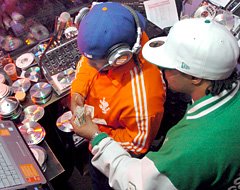 ATLANTA — It was "Magic Monday" at the Magic City strip club, a windowless brick building near the downtown Greyhound station.
 Miami descended into a terminal noir fugue state in 2005, so it’s only fitting that the whole mess would collapse toward a surreal New Year’s Eve with Jim DeFede — the Miami Herald’s star columnist, fired for secretly taping an off-the-record phone conversation with a disgraced local politician an hour before the man shot himself in the lobby of the Herald building — eager to serve as grand marshal of the satirical King Mango Strut in Coconut Grove. Though the organizers consider DeFede to be the conscience of Miami, he has gone, in the span of a few months, from a cause célèbre to something of a goof celebrity. Like his source and friend Art Teele, the former county and city commissioner who staged the theatrical suicide, the muckraking DeFede has proved himself to be a tenacious scrapper. He’s the writer who would not stay fired, an investigative reporter who turned on his own paper like a dog gone feral.
 This has not been a jolly time for the Herald — Monday-to-Friday circulation dropped 4 percent in just six months — or for its parent company, Knight Ridder, the second largest newspaper chain in the country. The company’s largest stockholders, who collectively hold 37 percent of the stock, have forced Knight Ridder to test the market for buyers. Preliminary indications of interest were received in December from Gannett, McClatchy, and several private equity firms. In the meantime, the Herald, the flagship paper of the chain (which stopped publishing a state edition and shrank its newshole), can’t really afford a lingering pall of the sort that has been cast by the death of Art Teele and the controversial dismissal of Jim DeFede.
Curiosos ?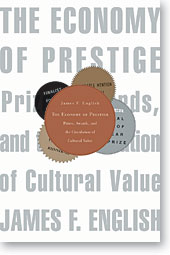
This is a book about one of the great untold stories of modern cultural life: the remarkable ascendancy of prizes in literature and the arts. Such prizes and the competitions they crown are almost as old as the arts themselves, but their number and power--and their consequences for society and culture at large--have expanded to an unprecedented degree in our day. In a wide-ranging overview of this phenomenon, James F. English documents the dramatic rise of the awards industry and its complex role within what he describes as an economy of cultural prestige.
Observing that cultural prizes in their modern form originate at the turn of the twentieth century with the institutional convergence of art and competitive spectator sports, English argues that they have in recent decades undergone an important shift--a more genuine and far-reaching globalization than what has occurred in the economy of material goods. Focusing on the cultural prize in its contemporary form, his book addresses itself broadly to the economic dimensions of culture, to the rules or logic of exchange in the market for what has come to be called "cultural capital." In the wild proliferation of prizes, English finds a key to transformations in the cultural field as a whole. And in the specific workings of prizes, their elaborate mechanics of nomination and election, presentation and acceptance, sponsorship, publicity, and scandal, he uncovers evidence of the new arrangements and relationships that have refigured that field.
Harvard University Press
€ 27.70 + transportes
 President Bush has been in search of himself for two and a half years. His voyage of self-discovery began on 30 September 2003. Asked what he knew about senior White House officials anonymously leaking the identity of covert CIA operative Valerie Plame Wilson, he expressed his earnest desire to help special prosecutor Patrick Fitzgerald ferret out the perpetrators. "I want to know the truth", he said. "If anybody has got any information inside our administration or outside our administration, it would be helpful if they came forward with the information so we can find out whether or not these allegations are true and get on about the business."
Bush didn't stop there. He issued an all-points bulletin requesting help for the prosecutor. "And if people have got solid information, please come forward with it. And that would be people inside the information who are the so-called anonymous sources, or people outside the information – outside the administration. And we can clarify this thing very quickly if people who have got solid evidence would come forward and speak out. And I would hope they would." The day before, the president had sent out his then press secretary, Scott McClellan, to announce that involvement in this incident would be a firing offence: "If anyone in this administration was involved in it, they would no longer be in this administration."
On 5 April 2006, however, in a filing in his perjury and obstruction of justice case against Lewis "Scooter" Libby, former chief-of-staff to vice-president Dick Cheney, Fitzgerald revealed that Libby had been authorised by the president and vice-president to leak parts of the October 2002 national intelligence estimate (NIE) on Iraq's weapons of mass destruction (WMD) to reporters.
Texto completo neste LINK
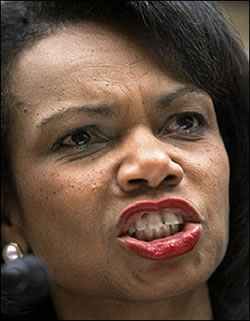
The World War I-era law has never been used to prosecute lobbyists before.


23:42 (JPP)




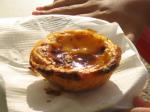 Como se não fosse suficiente o programa Belém Redescoberta para assustar uma pacata formiga, eis que surge nos jornais a notícia de que o pastel de nata foi eleito como "o representante da pastelaria portuguesa" pela actual presidência austríaca da União Europeia.